
February 23, 2026
Why We Need More People Talking About Emotional Intelligence
I've walked into a room seconds before a fire show more times than I can count. The room feels whatever I'm carrying. That's the whole subject.
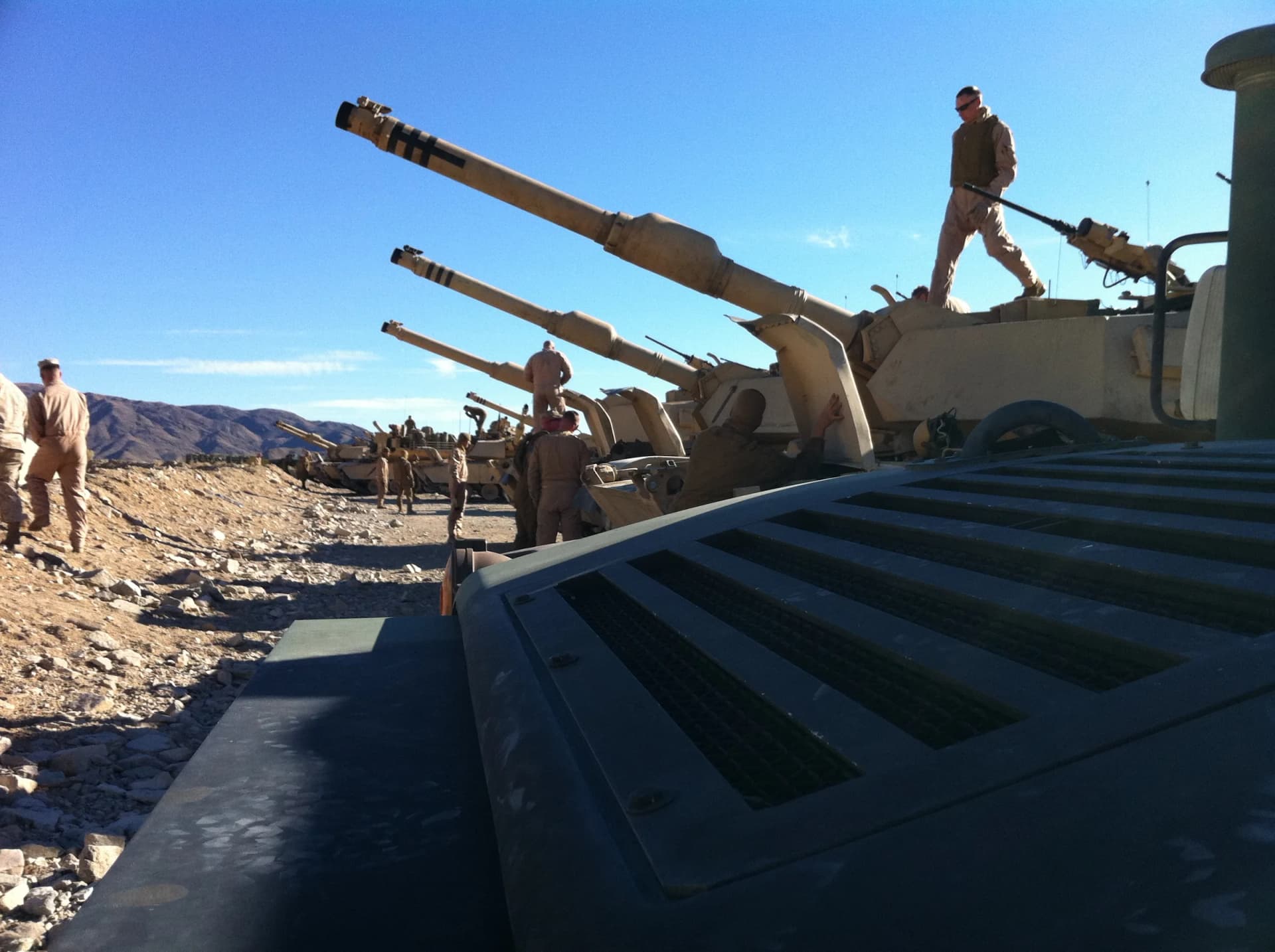
I've walked into a room seconds before a fire show more times than I can count. Marine Corps first, then twenty-eight years of performing after that. The room feels whatever I'm carrying. If I walk out rattled, the crowd gets rattled. If I walk out steady, the room settles with me.
Emotional intelligence isn't a personality trait. It's a skill you can watch in real time, in how someone carries a room under pressure. A stage manager who stays calm when the timeline slips. A leader who asks one clarifying question instead of raising their voice over a bad number. Someone who says "I'm frustrated, give me a minute" instead of letting it leak into the room. A host who feels the energy going flat and adjusts the pace before anyone else notices. None of that is innate. You build it the way you build any skill, noticing it, naming it, and repeating it under real pressure until it holds.
A live event has no edit button. Whatever's happening in the room happens in front of everyone, in real time, and it either gets handled or it doesn't. That's true of a keynote, a board dinner, a wedding, a fire show. The person running it sets the emotional temperature of the night whether they mean to or not, and the guests can always tell.
Six years in the Marine Corps taught me the basics of staying level when things go sideways. Twenty-eight years of performing, mostly fire, taught me the rest. You cannot walk out in front of a crowd holding fire while you're panicking. The performance forces the regulation. There's no faking calm that close to an open flame.
A run of show is a timeline on paper. What actually happens in the room depends on whether the people running it can hold their own state while forty things move at once. A vendor is late, or the sound cuts out mid-toast. That happens more nights than not. The difference between a night that recovers and a night that spirals is almost never the problem itself. It's whether the person closest to it stayed regulated long enough to make one clear decision and move on.
Building this is a small, repeatable practice, not a personality upgrade. Name what you're feeling before you respond to anything, even silently. Take one full breath before you speak in a tense moment. Ask a clarifying question before you assume the worst. Say what you're feeling out loud when it's appropriate instead of making your team guess. Debrief the hard moments afterward instead of hoping they don't happen again. None of it is complicated. All of it feels awkward the first fifty times.
Most people I know are working on this quietly, therapy, reading, trial and error. Almost nobody says it out loud, especially leaders. That's backwards. When the people running rooms, a company or an event, talk plainly about staying regulated under pressure, everyone around them gets permission to do the same. I keep talking about it because I've watched what happens to a room, a team, an event, when the person at the front of it can't hold steady. It shows every time.